

World Elephant Day 2025 will be celebrated on Tuesday, August 12, 2025, bringing global attention to the conservation and protection of one of Earth’s most majestic creatures. This annual observance is a reminder of the urgent need to protect elephants from threats like poaching, habitat destruction, and human-wildlife conflict.
History of World Elephant Day
World Elephant Day was first launched in 2012, an idea born in 2011 through the collaboration of Canadian filmmakers Patricia Sims and Michael Clark, along with Sivaporn Dardarananda from Thailand’s Elephant Reintroduction Foundation. The day aims to raise awareness about both African and Asian elephants, which are facing severe population declines.
The event gained momentum through the documentary Return to the Forest, narrated by William Shatner, which showcased the reintroduction of captive Asian elephants into their natural habitats. Since then, it has become a worldwide movement supported by conservationists, governments, and wildlife organizations.
Significance of World Elephant Day
Elephants are keystone species, meaning their survival is crucial for maintaining ecological balance.
- Cultural Value: In many countries, especially India, elephants symbolize wisdom, strength, and good fortune.
- Environmental Role: They help shape their ecosystems by creating waterholes, dispersing seeds, and maintaining forest health.
- Conservation Priority: African elephants are listed as “Vulnerable” and Asian elephants as “Endangered,” making urgent action essential.
World Elephant Day 2025 Theme
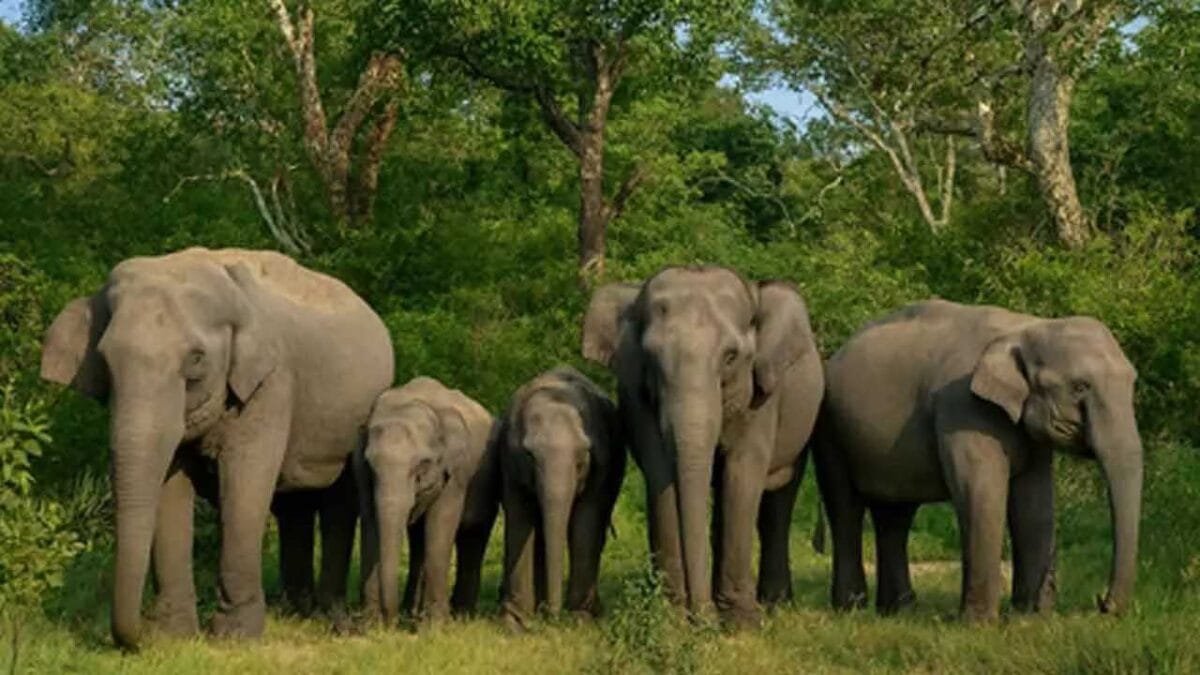
The official theme for World Elephant Day 2025 is “Matriarchs & Memories.” This year’s focus is on the vital role of elephant matriarchs—female leaders of herds—and the contributions of women working in elephant conservation.
2025 Initiatives and Events
This year, multiple countries are marking the occasion with impactful programs:
- Majuli, Assam, India: Forest authorities are promoting peaceful human-elephant coexistence for the 150 elephants in the area.
- Palamu Tiger Reserve, Jharkhand: Mahouts (elephant caretakers) are receiving advanced training to improve elephant management, especially with the development of new water and food resources in protected areas.
- Global Awareness Campaigns: Conservation groups are encouraging the public to support ethical tourism and avoid venues that exploit elephants.
Why This Day Matters in 2025
- Highlights the threats elephants face, including poaching for ivory and destruction of their natural habitats.
- Promotes ethical wildlife tourism and community-based conservation projects.
- Inspires global unity to ensure elephants survive for future generations.
How You Can Celebrate and Support
- Share informative posts on social media using #WorldElephantDay.
- Support elephant sanctuaries and NGOs through donations or volunteer work.
- Organize or attend local awareness programs, school campaigns, or webinars.
- Watch and share documentaries about elephant conservation.
- Choose responsible wildlife tourism that prioritizes animal welfare.
Conclusion
World Elephant Day 2025 is not just about celebrating elephants—it’s about taking action. Every individual has the power to contribute to their survival, whether by spreading awareness, supporting ethical conservation efforts, or making sustainable choices. By working together, we can ensure these gentle giants roam free and safe for generations to come.